Introduction: IBC container and their versatility
IBC containers, also known as intermediate bulk containers, are versatile containers such as a 1000l ibc, which are often used for the storage and transport of liquids and bulk materials. They are available in various materials such as stainless steel, PE plastic or flexible fabrics, which makes them suitable for numerous applications. The robust designs of the ibc containers (also packed in ibc box) enable safe handling in the chemical, pharmaceutical and food industries.
Thanks to their modular ibc container sizes and the possibility of equipping them with special outlet fittings such as butterfly valves and plug valves, they offer tailor-made solutions for specific requirements. The ibc tank can also be easily stacked ( ibc container stacking is quite possible up to 3 times filled ) and transported. These features make them an efficient choice for warehousing and logistics. This versatility is also evident in the adaptability to different volume sizes and shapes to best meet individual needs. The size ibc container is therefore variable. Buying an ibc container is worthwhile for many applications. For private individuals, it is also worthwhile to buy an ibc water tank, e.g. for the garden.
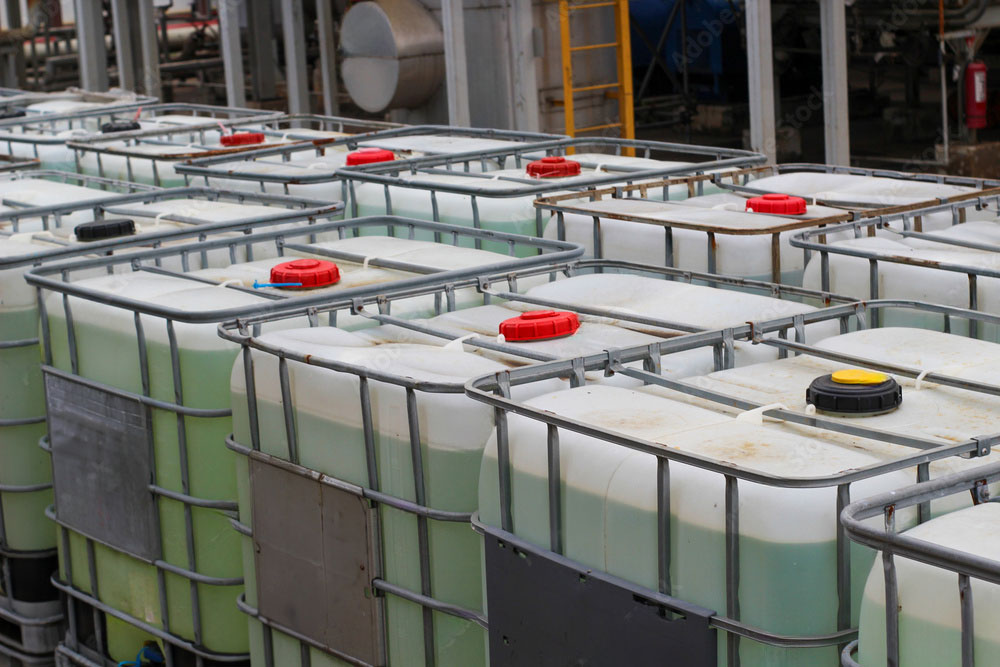
The different materials of IBC containers and their areas of application
The ibc tank for the ibc stainless steel container and the ibc container rack are available in different materials and ibc tank dimensions. Materials such as stainless steel, steel, plastic (HD-PE) and big bags (=flexible ibc container) can also be used as flex bags (FIBC) made of PP or PE inliners for IBCs. Each material of an ibc tank offers specific advantages and ensures many different applications in the industry.
Stainless steel ibc containers such as ibc 1000 liter ibc stainless steel container volume are ideal for the chemical, pharmaceutical and food industries thanks to their high resistance to corrosion and easy cleaning such as ibc container diesel tank. Plastic IBC containers made of HD-PE (colloquially also called plastic container 1000l) are cost-effective and are therefore perfect for the transport and storage of liquids and bulk materials.
Therefore, it is also worthwhile to ask for an ibc container free of charge in the second-hand market. The ibc container material steel offers more robustness and is suitable for heavier loads. Again, the ibc tank is available in different dimensions. However, an ibc container price comparison compared to stainless steel is always worthwhile. The higher ibc container weight in the steel version is irrelevant.
The advantages of ibc containers in the chemical, pharmaceutical and food industries
So why buy an ibc container or ibc tank or order an ibc container? ibc containers (Intermediate Bulk Containers) offer a variety of benefits in the chemical, pharmaceutical, and food industries, including increased efficiency, increased safety, easier handling, and greater sustainability. They enable efficient storage and transport (the weight of ibc containers is often less than 60 kg) of large quantities of material and provide protection against contamination. Their reusability leads to direct cost savings and a reduction in environmental impact.
The advantages of IBC Container are as follows:
Efficiency: the different ibc container sizes make large quantities of media on trucks easy to transport (up to 24 full ibc containers can be transported on one truck and 48 empty ibc containers) and offer great advantages in internal logistics for further processing, e.g. as ibc water tanks. This leads to fewer empty transports and thus cost savings.
Safety: The ibc container 1000l is particularly popular, because this standardized ibc container size is cheap to procure and offers a high level of protection for material to be transported both during transport and during storage. Very often this type of ibc container is used in the transport of dangerous goods (e.g. the ibc container type “ecobulk”).
Handling: Their standardized size and shape make it easy to load, unload and store containers.
Sustainability: Many IBCs are reusable, especially as a 1000l container variant, and can be reused after cleaning, resulting in less waste and a lower environmental impact.
Hygiene with ibc container:
To comply with hygiene standards in the food and pharmaceutical industries, ibc containers are available in food-safe or specially coated materials. These guarantee the highest level of hygiene and are designed according to GMP requirements. Efficient use of space is extremely important during storage and transport. The economical space economy is achieved by the cubic shape of the ibc tank. The reusability and high capacity can reduce operating costs compared to other types of containers. The field of application of ipc containers is greatly expanded by the use of various accessories such as heaters, agitators or level measurements. Also, specific hygiene requirements in the area of ibc rainwater tank 1000l are no problem.
Additional advantages are offered by stainless steel ibc for specific media in the chemical industry. This material offers high resistance to chemical substances and is therefore ideal for the transport and storage of dangerous goods.
The increased hygienic properties of ibc container are crucial for maintaining product quality in the pharmaceutical industry. The GMP design of ibc containers, ibc drums or ibc water tanks according to FDA or EC 1935/2004 standards ensure the safety and quality of the stored or transported medicines. In summary, it can be said that ibc containers will continue to play an important role in the chemical, pharmaceutical and food industries in the future due to their efficiency, safety, versatility and sustainability.
Special designs and customization options of IBC containers
Special designs:
ibc kegs
IBC kegs are containers with barrel geometry and a base. This means that a drum can be craned without tools or transported without a pallet with an industrial truck such as a hand pallet truck or forklift.
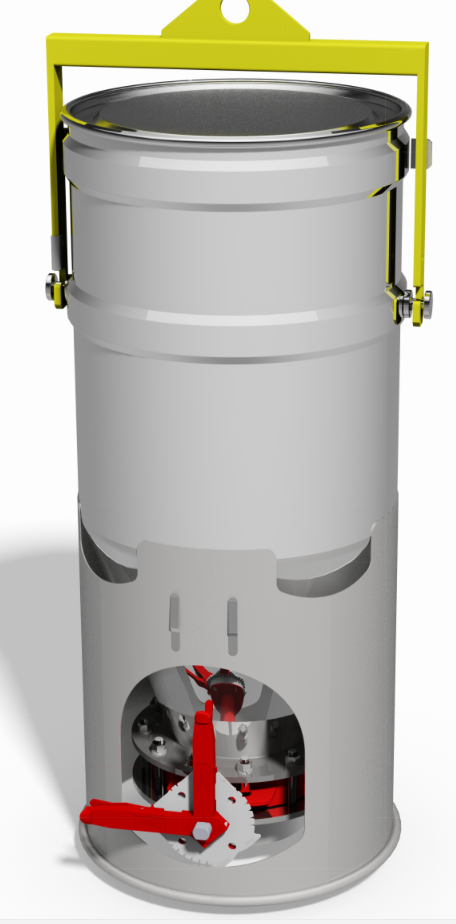
Special devices such as an ibc container elevation improve the discharge from the ibc tanks and hardly increase the ibc container dimensions (for an ibc 1000 liter by approx. 200 mm height).
Flex Bags, also known as FIBC, are flexible and space-saving and ideal for transporting dry bulk materials such as powder or granules. Choosing the right material depends on specific requirements such as hygiene, robustness and cost. The individual dimensions ibc container can be quite variably designed.
Special devices such as an ibc container elevation improve the discharge from the ibc tanks and hardly increase the ibc container dimensions (for an ibc 1000 liter by approx. 200 mm height).
Bag-in-Box ibc containers are also a special design of ibc containers. A flexible PE inliner inside an ibc box (a sturdy plastic container as outer packaging) protects the medium from the environment.
The importance of certificates FDA/EG1935/2004
Certifications such as FDA and EC 1935/2004
Regulatory approvals are crucial for ibc container 1000l used for the transport and storage of food or pharmaceutical products. Food safety and compliance with regulations must therefore be guaranteed at ibc container.
Importance of FDA (Food and Drug Administration) certifications: The FDA is a U.S. agency responsible for approving products that come into contact with food, drugs, and cosmetics. FDA approval signals that an IBC container or its components meet the FDA’s strict safety standards and are suitable for contact with food or other sensitive products. The EU regulation EC 1935/2004 is a European regulation. This regulates materials and objects intended for contact with food. It ensures that materials do not release harmful substances into food, do not endanger the health of consumers and do not alter the organoleptic properties of the food.
Why are these certifications important for ibc container?
- Food safety: Certified IBC containers ensure that no undesirable substances from the container can enter the food or pharmaceutical products when they are transported or stored.
- Compliance: In many countries, especially in the EU and the US, the use of certified IBC containers is required by law for the transport of food and pharmaceutical products.
- Trust: The certifications serve as proof of quality and give both manufacturers and consumers confidence in the safety and reliability of IBC containers.
- Export: FDA approval is often a prerequisite for the export of food and pharmaceutical products to the USA. Would you like concrete examples? Seals: Seals in IBC containers often need to be FDA-compliant or approved to EC 1935/2004 to ensure that they do not release harmful substances into the product.
- Inliners: IBC containers with inliners intended for contact with food must also be certified to ensure the safety of the product. Other components of e.g. water tank ibc that come into contact with the product, such as valves or connections, may also need to be certified.
Conclusion: Certifications such as FDA and EC 1935/2004 are essential for ibc container food-safe used for the transport and storage of food and pharmaceutical products. They ensure that the products are safe, comply with regulatory requirements and earn the trust of consumers. Here is an example of an explanation:
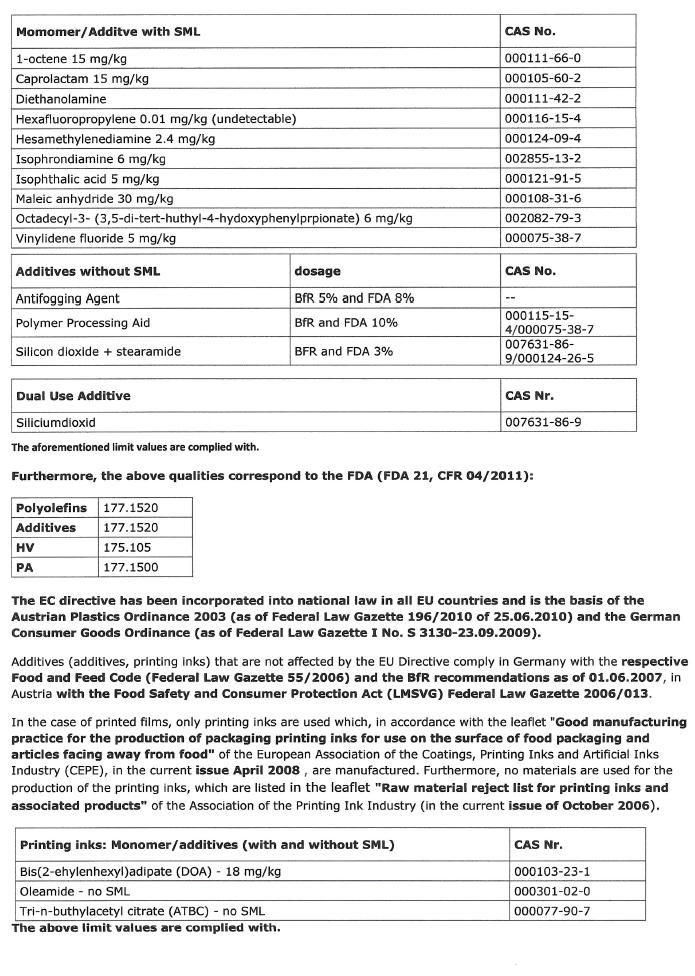
The extensive selection of fittings and spout geometries for IBC containers
When selecting fittings for bulk materials or liquids in ibc containers, the physical and chemical properties of the medium, the operating conditions and the specific requirements of the plant are decisive. There are several types of fittings, including cone gates, gate valves, butterfly valves, ball valves, and pinch valves, each with its own advantages and disadvantages. The right choice depends not only on the ibc container size, but also on factors such as the type of bulk material, the frequency of opening and closing cycles, pressure or temperature. Important considerations when choosing a fitting are knowledge of:
- Type of medium with properties such as abrasive, corrosive, fine-grained, or fibrous
- Operating conditions such as pressure and temperature
- Number of switching cycles
- Requirements for the system itself, such as the required flow, sealing or cleanability.
- Therefore, there are different types of fittings such as gate valves, suitable for abrasive and non-abrasive bulk materials, which provide free flow and are equipped with different sealing materials. Butterfly valves are versatile and often equipped with sleeves made of different elastomers, which can thus be adapted to the pumped medium. Ball valves provide a good seal and are suitable for many liquid media and bulk materials, but can wear out more quickly with abrasive media. Pinch valves are ideal for abrasive, corrosive and fibrous bulk materials because the medium only comes into contact with the sleeve. Additional note on sealing materials: Choosing the right sealing material exceeds certainly more than 1000 different materials (e.g. EPDM, nitrile, PTFE, silicone) and is therefore decisive for the sealing ability and service life of the valve. For wear protection for abrasive bulk materials, valves with low-wear sleeves and coatings are recommended.
Manufacturer advice: It is advisable to seek advice from ibc container manufacturers with extensive experience such as MRC Solutions or to seek specific advice in order to find the right ibc container fitting for the specific requirements such as an ibc container diesel tank.
The possibility of individual design of IBC containers for customers
Few ibc container manufacturers offer truly customized solutions for filling, emptying and mixing ibc bulk container (stainless steel container), so the dimensions of ibc container can be described as ideal. In order to enable smart handling with intermediate bulk containers IBCs, it is also important to reduce emissions through innovative optimizations in new or existing IBC bulk containers. In cooperation with renowned and experienced ibc container manufacturers, we develop the appropriate plant technology for your specific applications and projects in order to protect employees and product protection. increase. In particular, our systems are designed to meet the requirements for controlling and preventing the exceedance of occupational exposure limits in accordance with TRGS regulations. The importance of ibc container is therefore becoming ever greater in the course of the tightening of laws.
IBC Container Systems innovative in the field of packaging, transport and processing of bulk materials:
Custom-made ibc containers food-safe can be made of PP fabric (Flex Bag), as an ipc tank made of HD-PE plastic or stainless steel with LD-PE inliner systems and thus enable e.g. use as a flexible water canister 1000 liters. Big bags in special dimensions can be easily transported with storage and transport systems such as roller conveyors, rail lines with vehicles or automated guided vehicles (AGVs) in automatic mode. Accessories such as retrofittable valve technology for dust-tight filling or emptying are available for ibc containers, ibc drums, big bags or PE bags. Entire systems for mixing solids in containers (tumbler mixers, drum mixers, agitators) are only available from a few ibc container manufacturers. In order to be able to produce emulsions and suspensions, innovative and retrofittable closures, fittings and seals are often required in order to be able to use containers such as ibc containers, ibc drums or ibc containers small as special constructions in stainless steel for mixing.
Summary: Why IBC containers are a flexible and efficient packaging solution
Not every material behaves in the same way or requires an optimised storage volume in the icb tank. That’s why we develop ibc container systems with special fittings such as cone or flap closures, which are individually tailored to your requirements and can be easily automated. Our systems stand for controlled emptying, minimal product losses and maximum process reliability.
Volume e.g. as a 1000 liter tank, material quality, emptying mechanism, peripherals – everything is configurable. And: Our stainless steel containers can be perfectly integrated into automated processes.
MRC IBC containers for bulk materials are used worldwide when it comes to demanding materials.
30 ft container dimensions as a special case
The 30 ft container dimensions of these special containers are external dimensions of approx. 9.12 m long, 2.44 m wide and 2.59 m high and a volume of about 55 m³. Actual dimensions may vary depending on the manufacturer, and there are different variants such as high-cube containers, which can be higher.
Here are the typical dimensions in detail:
External dimensions (approx. dimensions):
- Length:9.12 meters
- Width:2.44 meters
- Height:2.59 meters
Inner dimensions (approx. dimensions):
- Length:8.90 meters
- Width:2.33 meters
- Height:2.35 meters
Volume:
- About 55 cubic meters
Important note:
- 30-foot sea container sizes are not standard sizes in the ISO container space like 20-foot or 40-foot containers, so the exact dimensions can vary more.
We mainly use this sea container for overseas transportation for our container mixers.